The Social Planning Concept Icons Bundle: A Visual Toolkit for Communicating Change
In the realm of social discourse, community initiatives, and strategic planning, clarity of communication is paramount. Ideas concerning societal issues, community development, and organizational change can be complex and multifaceted. The Social Planning Concept Icons Bundle serves as a specialized visual arsenal designed to translate these abstract concepts into clear, immediate, and professional imagery. This collection is not merely decorative; it is a functional asset crafted for integration into real-world workflows where planning, presentation, and public engagement intersect.
Defining the Bundle's Role in a Creative and Strategic Process
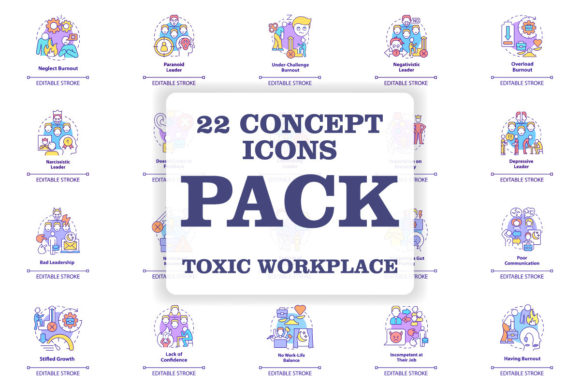
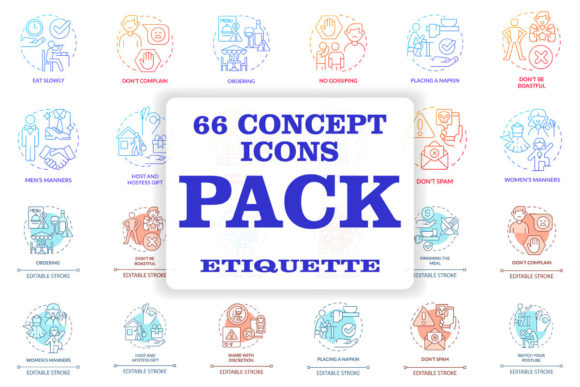
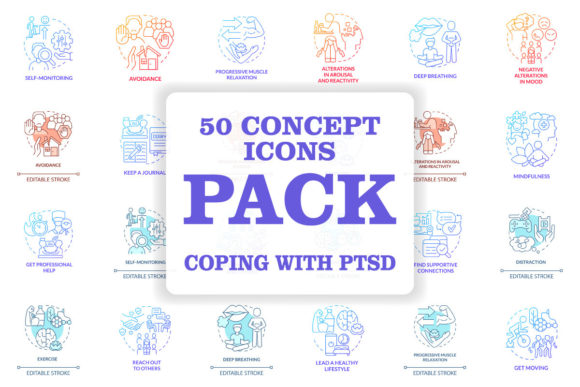
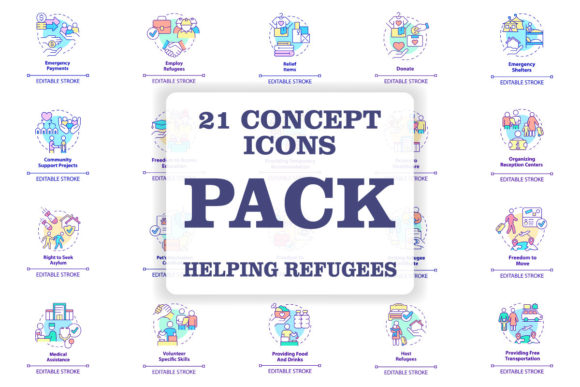
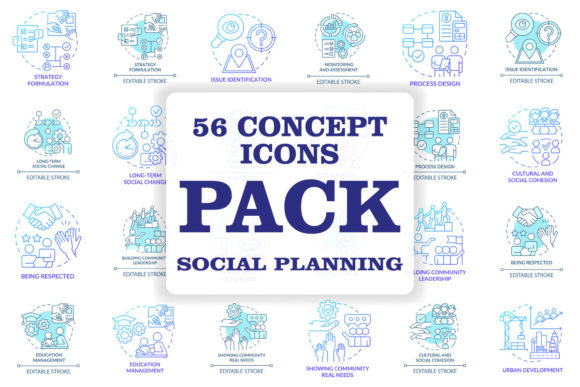
This bundle is a curated set of thin line, color illustrations representing isolated symbols for core themes in social planning. Topics encompass society issues, community changes, activism, policy, sustainability, engagement, and more. With file formats including EPS, SVG, PNG, JPEG, and AI, the icons are built for versatility across digital and print media. The use of clean fonts like Roboto-Medium and Myriad Pro-Bold in the supporting materials underscores a modern, authoritative aesthetic. The Social Planning Concept Icons Bundle fits into the broader process of project development at the stage where concepts need to be visualized for stakeholders, audiences, or team members.
Its primary function is to bridge the gap between verbal strategy and visual communication. Before a project is fully realized—during the phases of proposal drafting, stakeholder briefing, grant application creation, or public awareness campaign planning—these icons provide a ready-made visual vocabulary. They prevent the common bottleneck of sourcing or creating consistent graphics, allowing professionals to focus on content and strategy rather than asset creation.
Integration into Professional Workflows and Tools
Understanding how the bundle interacts with other tools and resources is key to its effective implementation. For a nonprofit organization launching a community outreach campaign, the icons can be imported directly into Adobe Illustrator (AI files) or other vector software for customization, thanks to editable strokes. They can then be placed into brochure infographic templates, perhaps also sourced from BSD Studio, to create compelling one-page summaries of program impacts.
For educators or bloggers explaining complex societal topics, the PNG files offer a quick drop-in solution for website articles, online course slides, or social media posts, enhancing reader comprehension and retention. Marketers and small business owners focusing on corporate social responsibility (CSR) reports can utilize the SVG and EPS files to ensure scalable, high-quality graphics in annual publications or investor presentations. This seamless compatibility with standard design platforms and publishing mediums makes the bundle a unifying element across disparate output formats, ensuring brand and message consistency.
Practical Implementation: From Asset Library to Finished Product
The practical journey from downloading the bundle to having it enhance a project is straightforward but requires thoughtful organization. A recommended first step is to audit the icon set against current and upcoming project needs. Categorizing icons by theme—for instance, grouping all "sustainability" or "urban development" symbols—within a digital asset library saves significant time during the design phase. This mirrors professional practices in digital asset management, promoting long-term usability.
Consider a workflow example for a freelance consultant preparing a client presentation on demographic changes. The consultant might:
- Select relevant icons for "population growth," "migration," and "infrastructure" from the bundle.
- Customize the stroke colors in Adobe Illustrator to align with the client's brand palette.
- Integrate these icons into a PowerPoint slide deck to create a visual hierarchy, replacing bullet points with symbolic imagery.
- Use the same icon set consistently across the accompanying written report (using PNGs) and a summary handout (using high-resolution JPEGs).
This approach not only improves the aesthetic quality of the deliverables but also increases efficiency by reusing a core asset across multiple touchpoints. The consistency afforded by a single, coherent icon bundle reinforces the professional credibility of the work—a core principle of quality control in client services.
Enhancing Usability and Long-Term Value in Dynamic Fields
The fields of social planning and community engagement are inherently dynamic, with new topics and challenges emerging regularly. The value of a pre-made bundle like this is amplified by its adaptability. The editable stroke feature is crucial here; it allows users to modify icons to represent slightly nuanced concepts or to match evolving brand guidelines without needing to commission new designs. For a productivity-minded user, this is a significant advantage, turning a static purchase into a living toolkit.
Furthermore, the bundle’s origin from a studio like BSD, which announces new topics and discounts weekly, suggests it is part of an evolving ecosystem of resources. Subscribing to the studio for updates becomes a strategic decision for professionals who regularly need fresh visual content. It integrates the bundle into a broader workflow of continuous learning and asset acquisition, ensuring one’s toolkit never becomes obsolete. This is particularly important for entrepreneurs and publishers who must keep their content visually current to maintain audience engagement.
Observations on Efficiency and Conceptual Clarity
A key observation from using such bundles is the reduction of cognitive load for both the creator and the end-viewer. For the creator, the immediate availability of well-designed symbols streamlines the design process. For the audience—whether community members reading a flyer or executives reviewing a strategic plan—the icons provide instant conceptual anchors. A simple line icon representing "social equity" can convey the theme more quickly and memorably than a paragraph of text in a fast-paced review meeting or on a crowded web page.
This efficiency does not come at the cost of customization. Because the icons are concept-based and not overly specific, they serve as foundational elements. A user can combine an "idea" icon with a "community" icon to create a unique visual metaphor for a local innovation forum, demonstrating the bundle’s role in supporting creative synthesis rather than rigid templating.
Smooth Integration into Personal and Organizational Routines
Integrating the Social Planning Concept Icons Bundle smoothly requires viewing it as a standard component of your preparatory work. For a hobbyist running a local advocacy blog, downloading and organizing the icons into a dedicated folder alongside article templates sets up a repeatable system. For a larger organization, making the bundle available on a shared design server for the entire communications team standardizes visual output across departments, from fundraising to public relations.
The integration is also about mindset: adopting these icons as your go-to symbols for social themes builds a personal or organizational visual language. Over time, this consistency makes your publications, presentations, and digital content recognizable and trustworthy. It turns graphic design from a recurring project challenge into a solved foundation, freeing up mental and temporal resources for the deeper work of research, analysis, and community engagement that these icons are meant to illustrate.
Ultimately, the Social Planning Concept Icons Bundle is a pragmatic solution for a common need. It addresses the gap between having a great idea for social change and communicating that idea with the visual professionalism and clarity required to gain understanding, secure support, and drive action. By fitting directly into the workflows of planning, content creation, and publication, it becomes more than just a set of files; it becomes a partner in the process of making complex societal conversations more accessible and impactful.