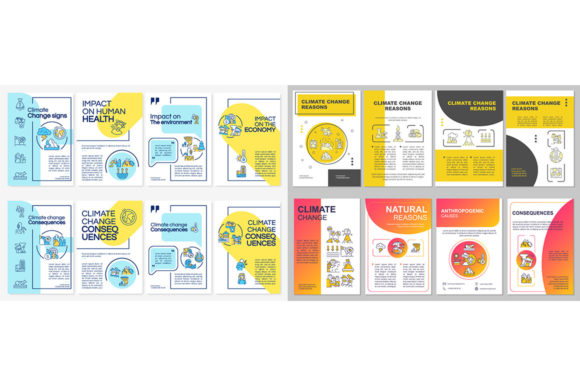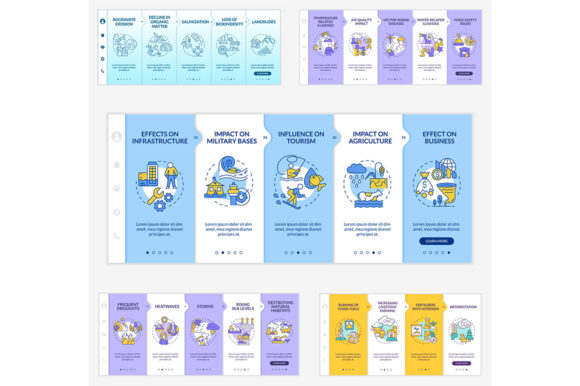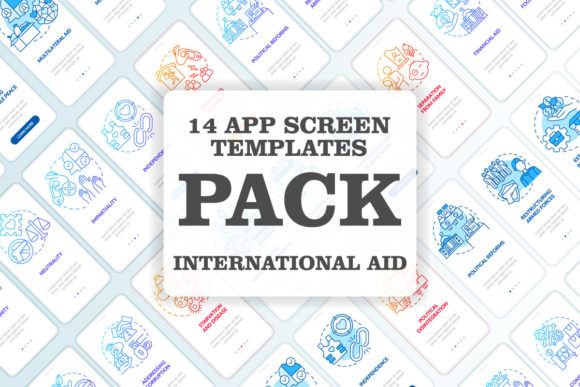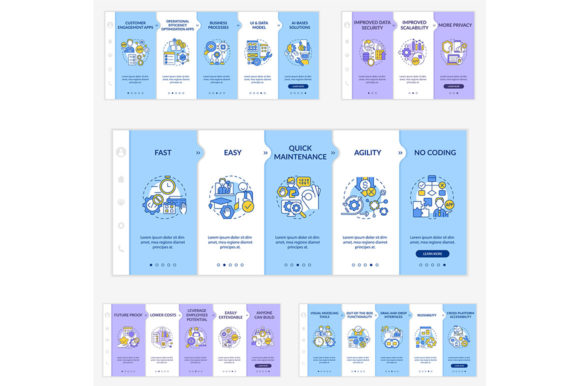
A Strategic Framework for Introducing Web 3.0: The Benefits Onboarding Template Set
Introducing a complex, paradigm-shifting technology like Web 3.0 to your audience—whether customers, team members, or stakeholders—is a critical communications challenge. It requires clarity, structure, and visual persuasion to translate abstract concepts like decentralization, tokenization, and user sovereignty into tangible benefits. This is where a Web 3.0 Benefits Onboarding Template Set becomes a strategic asset, not merely a collection of graphics.
Moving Beyond Generic Onboarding to Strategic Communication
Onboarding is fundamentally about guiding someone from a state of unfamiliarity to understanding and engagement. For Web 3.0, generic welcome screens fail. The goal is to architect a narrative that connects the technology's inherent features to the specific outcomes your audience cares about. A thoughtfully designed Web 3.0 benefits onboarding template set provides the visual and structural framework for this narrative. It allows you to systematically map out a user's first experience, focusing not on technical jargon, but on the value proposition: how will this improve their experience, control, or opportunities?
Consider an entrepreneur launching a decentralized application (dApp). Their primary hurdle is user adoption. Using a dedicated template set, they can craft a step-by-step walkthrough that visually highlights key benefits: “Direct Ownership of Digital Assets,” “Transparent and Immutable Transactions,” “Community-Driven Governance.” Each step screen, built with clean linear concept icons and clear typography like Lato-Bold, becomes a focused communication touchpoint. This transforms onboarding from a mandatory tutorial into a strategic persuasion tool, aligning the user’s journey with the project’s core value drivers from the very first interaction.
Integrating the Template Set into Your Development and Brand Strategy
The practical utility of this resource spans multiple phases of project development and branding. For software development teams, having a pre-designed set of EPS, SVG, and PNG files for onboarding screens accelerates UI/UX prototyping. It ensures visual consistency across the onboarding flow, whether implemented in a responsive mobile website or a native app. This consistency is crucial for building trust; a coherent, professional introduction signals a mature and considered platform.
From a branding perspective, these templates are a foundation. The included icons and infographic styles can be adapted beyond onboarding to populate marketing brochures, explainer blog posts, or social media content. This creates a unified visual language for all your Web 3.0 communications, reinforcing key concepts across different mediums. For marketers and creators, this means you can deploy a consistent message about benefits without requiring bespoke design work for every new piece of content, enhancing both productivity and brand recognition.
Intentional Use: Planning for Impact Before Implementation
The greatest risk in using any template set is applying it without clear goals. Randomly assembling screens from a Web 3.0 Benefits Onboarding Template Set will create a disjointed, confusing experience. The strategic approach begins before you open the design file.
- Define Your Audience’s Primary Motivation: Are they seeking financial autonomy, creative expression, or community participation? Your benefit sequence must mirror their hierarchy of needs.
- Map the Journey: Plot the exact number of steps needed. Is three screens sufficient to convey core benefits, or does your model require a more detailed five-step walkthrough? Each step should advance the narrative.
- Contextualize the Benefits: Avoid stating “User Data Control” as a standalone icon. Use the supporting text and visual flow to explain *how* your specific application provides that control. Connect the universal Web 3.0 benefit to your unique implementation.
This planning phase ensures the templates serve your strategy, rather than your strategy being constrained by the templates.
Realistic Use Cases and Operational Applications
The application of these templates extends beyond consumer-facing apps. Educators and publishers can use the infographic templates to create clear learning materials for courses or articles on blockchain fundamentals. Freelancers and small business owners exploring Web 3.0 services can utilize the screen templates to mock up client proposals or internal process guides, visualizing how a new tool will integrate into operations.
For decision-makers, the set acts as a prototyping and alignment tool. Before committing to extensive development, you can use the template outputs—JPEGs or PNGs—to create a stakeholder presentation. This visual proposal can facilitate discussions around user experience priorities and required resources, grounding strategic decisions in a concrete visual plan rather than abstract concepts.
Achieving Long-Term Results Through Coherent Introduction
The initial onboarding experience sets the tone for the entire user relationship. A confusing introduction can lead to high early drop-off rates, even if the underlying technology is robust. A coherent, benefit-focused onboarding flow, delivered via a professionally designed Web 3.0 benefits onboarding template set, builds a foundation of understanding and confidence.
This contributes directly to long-term metrics: user retention, community engagement, and brand authority. When users feel they comprehend the value from the start, they are more likely to explore deeper functionalities, participate in governance, or advocate for the platform. The onboarding becomes the first, and perhaps most important, investment in user education and relationship-building.
Navigating Potential Limitations and Ensuring Authenticity
While templates provide efficiency and consistency, reliance on them requires mindful adaptation. The risk lies in presenting a generic, “cookie-cutter” Web 3.0 story that doesn’t resonate because it’s not authentically tied to your project. To mitigate this:
- Customize the messaging and imagery to reflect your brand’s unique voice and specific technological approach.
- Supplement the template visuals with original content that addresses your audience's specific questions or concerns.
- Use the templates as a structural guide, not a rigid script. The step screens are a canvas; your project’s authentic benefits are the essential content to paint onto it.
Furthermore, staying updated with new topics and resources, such as through subscriptions to studios like BSD Studio, ensures your approach evolves alongside the rapidly changing Web 3.0 landscape. This prevents your onboarding narrative from becoming stagnant.
The Practitioner’s Approach: Tools for Informed Decision-Making
Ultimately, a Web 3.0 Benefits Onboarding Template Set is a decision-making tool. It helps you decide how to sequence information, which benefits to prioritize, and how to visually represent complex ideas. It provides a starting point that saves time, but demands strategic input to become effective.
For professionals across fields—from developers to bloggers—integrating this resource into your workflow means you are investing in the clarity of your communication. You are choosing to define the narrative of Web 3.0 for your audience, rather than letting them piece it together from fragmented and often intimidating sources. By intentionally selecting, adapting, and deploying these templates, you take control of the introduction, laying the groundwork for better understanding, smoother adoption, and more sustainable results in your Web 3.0 initiatives.