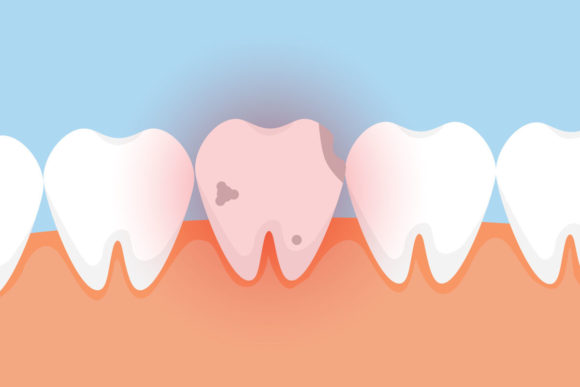
A Bad Tooth with Pain Signal Vector: A Bold Visual Statement
In the expansive toolkit of a modern designer, certain graphics demand attention. They aren’t subtle; they are declarative. A Bad Tooth with Pain Signal Vector is exactly that—a graphic element designed to communicate discomfort, warning, or urgent concern with immediate visual clarity. This isn’t a generic icon. It is a detailed, stylized representation of a problematic tooth, often rendered with a vivid red glow or danger signal effect that pulses with implied urgency. The visual personality is stark, direct, and slightly dramatic, making it perfect for projects that need to cut through noise and deliver a message that sticks.
Decoding the Graphic’s Visual Language
The core appeal of A Bad Tooth with Pain Signal Vector lies in its combination of recognizable subject matter and heightened artistic treatment. Typically, the vector features a tooth—sometimes with visible cavities or cracks—superimposed with elements like a pain “signal” wave, a radiating red halo, or sharp exclamation marks. This creates a layered narrative: it’s not just an image of a tooth; it’s an image of a tooth in distress. The style leans towards infographic clarity but with an emotional punch, using contrast and glow effects to elevate a simple concept into a compelling visual story.
For designers, this means you’re working with an asset that carries built-in context. The red danger glow effect isn’t merely decorative; it’s a universal signifier of caution or problem, aligning the graphic with themes of health alerts, medical education, or even metaphorical representations of “pain points” in business or tech contexts. Its overall aesthetic is clean enough for professional use yet bold enough for impactful social media graphics or attention-grabbing posters.
Strategic Applications: Where This Vector Thrives
Understanding where a specific design asset excels is key to leveraging its value. A Bad Tooth with Pain Signal Vector is inherently a display graphic. Its strength is in making a point quickly and memorably. Therefore, it finds its home in projects where communication needs to be direct and visually anchored.
- Health & Medical Communications: Dental clinic brochures, public health infographics about oral care, educational materials for patients, or website banners highlighting urgent dental services.
- Editorial & Publishing Design: Articles or blog posts discussing health topics, book covers for medical guides, or illustrative elements in magazines focusing on wellness.
- Marketing Campaigns: Particularly for products or services that solve problems—like a new toothpaste, dental insurance, or medical apps. The vector can visually represent the “problem” your product “solves.”
- Personal & Craft Projects: Given its availability in formats like EPS and PDF for use in cut machines like Cricut, it can be used for creating unique items—say, a custom t-shirt for a dental marathon fundraiser or a sticker for a dentist’s office window.
Its versatility as a vector file means it scales perfectly from a tiny vinyl decal to a large-format print, without any loss of quality. This technical flexibility is a practical boon for entrepreneurs and content creators who need one asset to work across multiple mediums.
Beyond Illustration: Influencing Perception and Engagement
A powerful graphic does more than fill space; it shapes how your audience perceives the accompanying message. Using A Bad Tooth with Pain Signal Vector strategically can enhance visual hierarchy—immediately drawing the eye to the most critical part of your layout. It also establishes a tone. The graphic’s urgent, slightly alarming vibe can be used to create a sense of importance, prompting the viewer to pay closer attention to the text or call to action next to it.
For brand identity projects in specific niches, such a graphic can contribute to brand recognition. A dental practice that consistently uses a stylized, recognizable version of this vector in its materials creates a visual thread that patients begin to associate with its brand. It adds a layer of professionalism by showing a deliberate, custom design choice, moving beyond stock photography. However, the key is contextual fit. Using this bold, problem-oriented graphic for a brand focused on gentle, calming care might send mixed signals. Always evaluate the graphic’s personality against your overall brand’s emotional tone.
Practical Guidance for Implementation
Before committing A Bad Tooth with Pain Signal Vector to your project, take a few pragmatic steps. First, critically assess the project fit. Does the theme of “pain,” “warning,” or “problem” align with your content? If you’re creating a relaxing spa brochure, it’s likely a mismatch. If you’re designing a poster about the dangers of sugar, it’s ideal.
Next, explore the included file formats. As noted, receiving the design in AI, EPS, PDF, and high-resolution formats means you can adapt it to almost any software, from professional Adobe suites to simpler design applications. Test its scale in your layout. A small, subtle use might convey a hint of urgency; a large, central placement makes it the hero of the piece.
Consider pairing it with typography that balances its intensity. A clean, strong sans serif font for headlines can complement the graphic’s modern lines, while a more traditional serif font for body text might ground its dramatic effect. This font pairing approach creates a cohesive layout where the graphic and text support each other.
Finally, confirm the commercial licensing scope. Typically, such vectors from digital stores are offered for personal and commercial use, allowing small business owners and marketers to use them in client work. Always verify the specific license included in your download to ensure your usage—from clothes printing to cards invitation design—is covered.
A Real-World Design Perspective
Imagine you’re tasked with creating a social media campaign for a new sensitive-teeth toothpaste. Using A Bad Tooth with Pain Signal Vector as the focal image in your posts instantly communicates the problem your product addresses. You could animate the red glow effect slightly for video content, increasing engagement. The vector’s clarity ensures the message is understood even on a small phone screen. For a blogger or publisher writing a detailed article on dental health, embedding this vector as an infographic element breaks up text and provides a visual anchor for complex information.
In packaging design, a simplified element from this vector could be used on the box of a dental pain relief product, creating immediate shelf recognition. The key is to adapt, not adopt wholesale. You might use only the tooth outline, or only the “signal” waves, integrating parts of the graphic into a larger, custom design. This is where the value of a versatile vector file truly shines—it gives you the components to build something uniquely yours.
The graphic, like any potent design asset, is a starting point. Its real power is unlocked by the creative professional who understands not just what it is, but what it can do for a specific audience, project, and brand story.