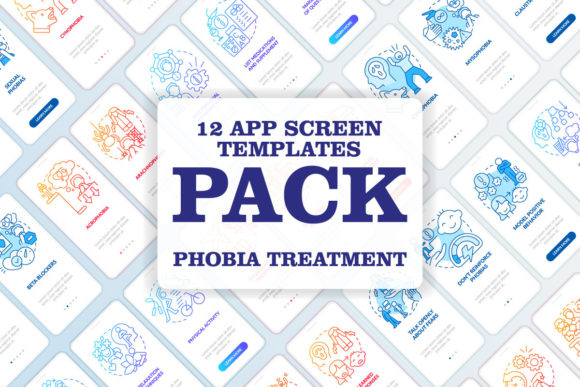
The Role of Mobile Onboarding in Modern Phobia Treatment
In the evolving landscape of mental health support, digital tools are becoming integral companions to traditional therapeutic methods. Among these, specialized mobile applications designed for phobia treatment are gaining significant traction. Their initial user experience, often called the onboarding process, is a critical phase that can determine whether an individual continues to engage with the tool. A well-designed phobia treatment onboarding mobile app screen bundle serves as the digital gateway, guiding users from apprehension to active participation in their recovery journey.
Understanding the Onboarding Sequence: A Therapeutic First Step
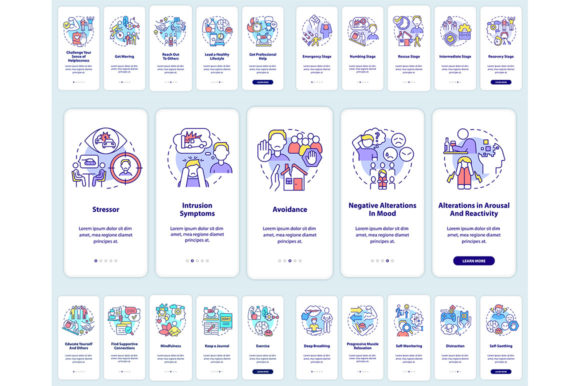
Onboarding in a mental health application is not merely about teaching interface mechanics. It is a carefully crafted psychological introduction. For someone confronting a phobia, the first interaction with the app must be calming, empowering, and transparent. A typical bundle, comprising 12 app screens, constructs a linear narrative. This walkthrough uses graphic instructions and clear steps to demystify the treatment process. It introduces concepts like gradual exposure, symptom logging, and relaxation techniques in a non-threatening sequence, setting realistic expectations and building initial trust.
Core Components of an Effective Onboarding GUI
The user interface (UI) and user experience (UX) of these initial screens are paramount. Every element is chosen to reduce anxiety. This includes the use of specific, calming color palettes, predictable navigation, and consistent iconography. Free fonts that are highly readable and feel approachable—such as sans-serif families like Open Sans or Inter—are often selected to ensure text is clear and uncluttered. The graphical user interface (GUI) template acts as a blueprint, ensuring that each screen—from the welcome message to the goal-setting page—maintains visual and emotional consistency.
These screens often include:
- A compassionate welcome screen explaining the app's purpose.
- A secure and simple account creation or anonymized entry point.
- An educational overview of phobias and the treatment model used.
- Interactive steps for the user to define their specific phobia and intensity.
- Clear instructions on how to use core features like exposure diaries or breathing guides.
- A permissions and privacy explanation that fosters a sense of safety.
- A progress overview dashboard to visualize the path ahead.
The Advantages of a Structured Digital Introduction
Implementing a thorough onboarding process via a mobile app offers distinct benefits over a purely analog start to treatment. Firstly, it provides a standardized foundation. Every user receives the same clear, evidence-based introduction to the therapeutic concepts, reducing confusion. Secondly, it empowers user autonomy. Individuals can proceed at their own pace, revisiting instructions as needed, which is particularly valuable for those who may feel overwhelmed in a initial face-to-face session. Thirdly, it creates a data-informed starting point. By onboarding users to input their baseline anxiety levels or trigger scenarios, the app and any linked professional can tailor subsequent steps more effectively.
Real-World Applications and User Scenarios
The practical use of these onboarding bundles extends across multiple contexts. A therapist might recommend a specific phobia treatment app as a preparatory homework tool before in-office exposure therapy begins. The client uses the onboarding screens at home to understand the methodology, log initial fears, and learn basic coping skills, making the first therapy session more productive. Alternatively, individuals engaging with self-help tools use the onboarding as their sole guide, relying on its clarity and structure to navigate the app's full features safely. Educators and researchers might analyze these onboarding sequences to study how digital design influences user engagement and adherence in behavioral health interventions.
Design Considerations for Creators and Developers
For studios like BSD Studio, which create icons, brochure infographic templates, and mobile app screen pages, designing a phobia treatment onboarding bundle requires a blend of clinical empathy and design expertise. The linear concepts must be broken down into digestible, visual steps. Each screen in the bundle—available in product file formats like EPS, SVG, PNG, JPEG, and AI for versatility—must communicate one core idea. An icon for "safety" might be used consistently to denote a panic button or relaxation exercise. An infographic template within the onboarding might visually explain the anxiety curve during exposure.
Key design considerations include:
- Accessibility: Ensuring all graphics and text are perceivable by users with varying abilities.
- Cultural Sensitivity: Using universally understood symbols and avoiding culturally specific metaphors that might confuse.
- Clinical Accuracy: Collaborating with mental health professionals to ensure terminology and concepts are correctly represented.
- Scalability: Designing vector-based assets (EPS, SVG, AI) so screens can be adapted for different devices and languages.
Integrating Onboarding into a Broader Treatment Ecosystem
The onboarding is just the beginning. Its design directly impacts how users perceive and utilize the app's ongoing features. A successful onboarding sequence establishes the app's tone—serious yet hopeful, scientific yet personal. It teaches the user not just how to click, but how to think about their phobia within the treatment framework. This seamless transition from learning to doing is the hallmark of great UX in therapeutic applications. Subsequent app screens for exposure tracking, cognitive restructuring exercises, and progress reports should feel like natural extensions of the concepts introduced in the first 12 screens.
Trends and Future Directions in Therapeutic App Design
The field is moving towards increasingly personalized onboarding. Future phobia treatment onboarding mobile apps may use brief initial assessments to dynamically customize the order and content of the introductory screens. For instance, someone with agoraphobia might see examples related to open spaces earlier in the sequence, while someone with a specific animal phobia might see relevant imagery. Furthermore, integration with wearable devices could allow onboarding to include initial biometric data, making the experience more holistic. The core principle remains: the onboarding must reduce barriers to engagement, making the daunting prospect of confronting a phobia feel manageable through clear, step-by-step digital guidance.
For creators and businesses, staying updated on these trends is crucial. Subscribing to design studios and resources that offer new topics and discounts every week, like BSD Studio, provides access to the latest templates and ideas. This enables the continuous refinement of onboarding bundles, ensuring they meet evolving user needs and clinical best practices, ultimately creating more effective digital tools for mental health support.